Why Businesses in Garden Grove Rely on Professional Embroidery Services
The Difference Between Screen Printing and Embroidery
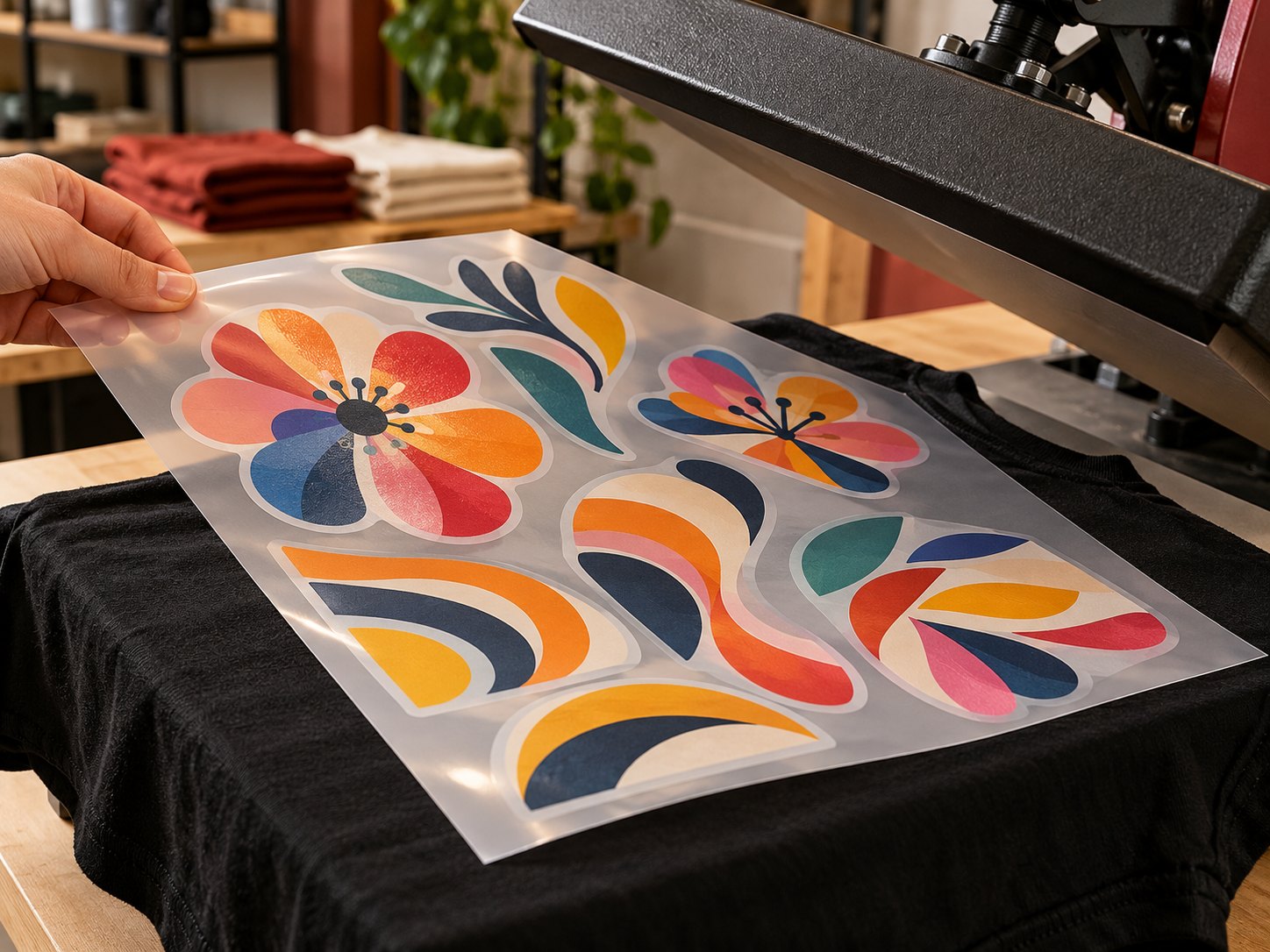
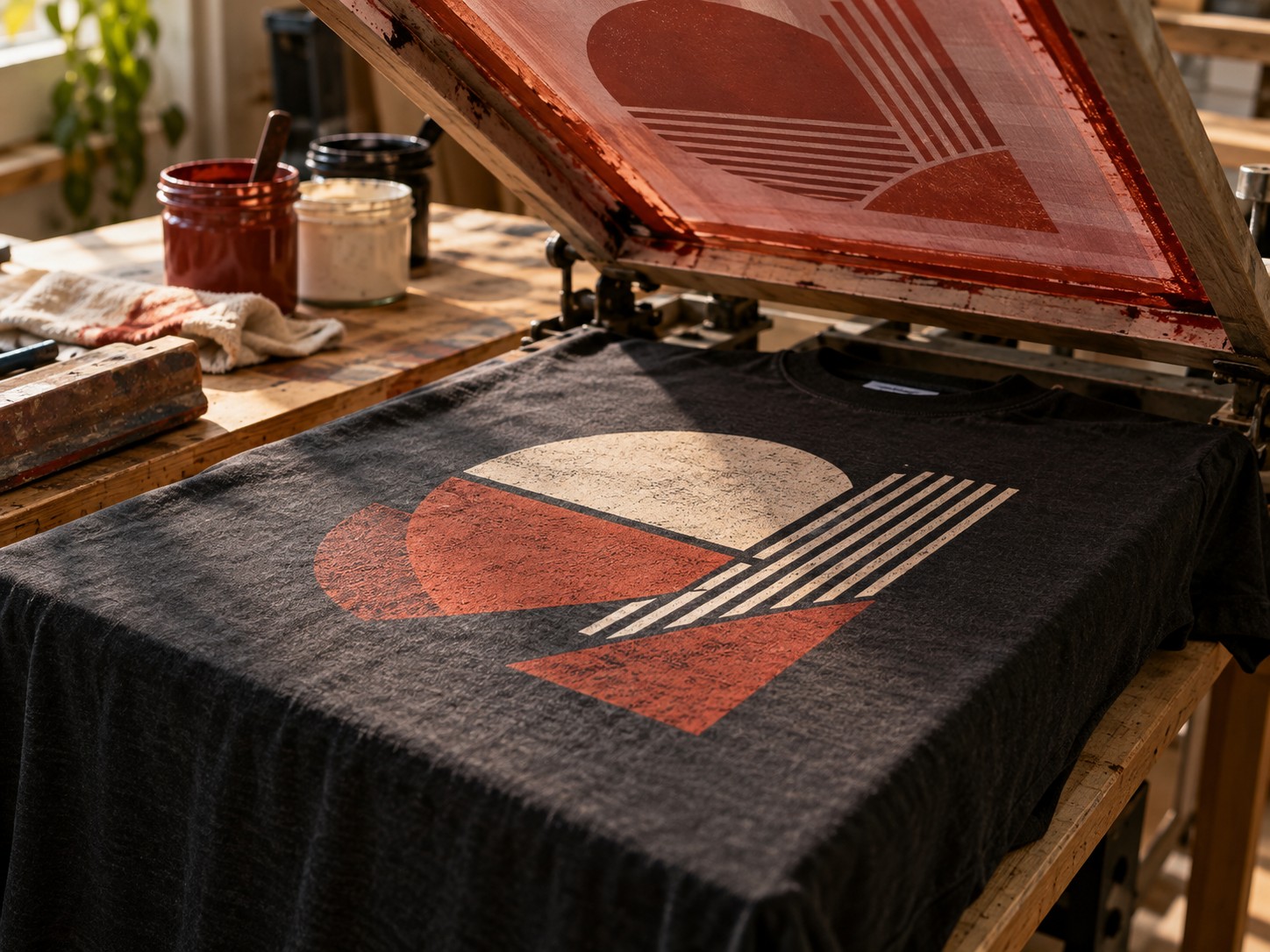
When you order custom apparel for your team, the first decision is usually the decoration method. Screen printing works great for large runs of simple designs, especially on cotton t-shirts. It lays ink on the surface, which gives a soft hand feel and bright colors. But if you need a look that holds up to daily washing, resists cracking, and carries a sense of quality, embroidery is the better choice. Professional embroidery services create a raised, textured finish that feels substantial and lasts years longer than most print jobs.
I have seen companies order screen printed polo shirts for a trade show, only to have the logos start fading after a few washes. The same shirts, done with embroidery, still look new a year later. That durability is one reason so many organizations in Garden Grove turn to embroidery for their uniform programs, promotional giveaways, and staff apparel.
When to Choose Embroidery Over Screen Printing
It is not always about which method is better. It is about which method fits the garment and the use case. For a lightweight performance tee, screen printing is often the right call. For a structured cap, a jacket, or a button-down shirt, embroidery is almost always the smarter choice. The thread sits on top of the fabric, so it works well on materials that cannot handle high heat from a screen printing press. It also gives a more polished, professional look that customers and employees notice.
Think about a real estate agency handing out branded fleece vests. The vests get worn outside, in the cold, and they get washed frequently. Screen printing on fleece can crack and peel within months. Embroidery stays intact because the thread is stitched directly into the fabric. That kind of durability is why many Garden Grove businesses make embroidery a regular part of their ordering cycle.
What to Look For in Embroidery Services
Not every provider is the same. Some shops specialize in high volume production and treat smaller orders as an afterthought. Others focus on detail and will work with you on stitch density, thread colors, and design placement. Here are a few things to consider when comparing embroidery services:
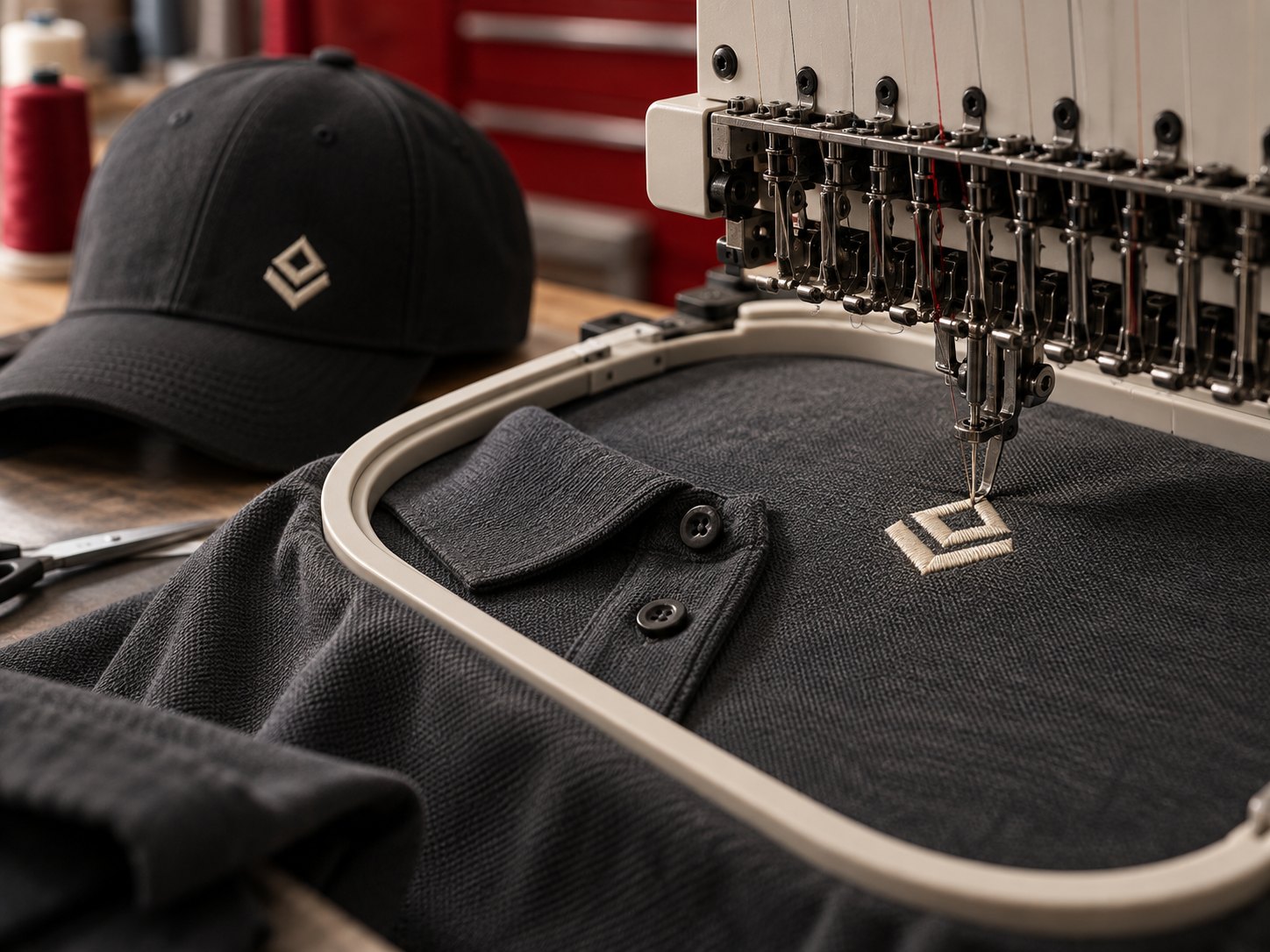
- Digitizing quality: The design must be converted into a stitch file that the machine reads. Bad digitizing creates gaps, puckered fabric, or thread breaks. Good digitizing makes the logo look crisp and smooth.
- Stitch count and density: Too few stitches and the design looks thin. Too many and the garment becomes stiff. An experienced operator knows the sweet spot for each fabric.
- Hoop size and placement: Larger designs need bigger hoops. Placement on the left chest, center back, or sleeve matters for balance. A pro will mark the garment carefully before stitching.
- Turnaround time: Some shops run a two-week lead time. Others can push a rush order in a couple of days. Know what you need before you place the order.
- Minimum order quantities: Many embroidery shops require a minimum of 12 or 24 pieces to make the setup cost worthwhile. Smaller runs may be possible, but the per-piece price goes up.
If you are ordering for a small team or a local sports club, you might need a shop that is flexible with low minimums. Larger companies usually order in bulk, so they can negotiate better pricing. Either way, the quality of the digitizing and the skill of the operator matter more than the machine brand or the shop size.
The Cost Side of Embroidery
Embroidery costs more than screen printing on a per-piece basis, but the total cost of ownership is often lower when you factor in longevity. A screen printed t-shirt might cost eight dollars, but if the logo cracks after ten washes, you are buying new shirts sooner. An embroidered polo might cost eighteen dollars, but it will still look good after fifty washes. For a company that wants a consistent professional image, the extra upfront cost is worth it.
Setup fees are another factor. Each design requires a digitizing charge, usually between twenty and forty dollars. That fee covers the time it takes to program the machine. Once the design is digitized, it can be reused for future orders. Some shops waive the digitizing fee if you order enough pieces. Others keep it as a standard part of the process. It is worth asking about on your first order so there are no surprises later.
Common Mistakes When Ordering Embroidery
I have seen people order embroidery on a very thin, stretchy fabric and then wonder why the stitching puckers. The fabric simply cannot support the tension of the embroidery hoop. Similarly, putting a dense design on a lightweight shirt can cause the shirt to curl or distort. The best approach is to bring the actual garment to the shop or at least send a photo of the fabric composition before the digitizing is done.
Another mistake is using too many thread colors in a small space. A logo with six colors might look good on a screen printed poster, but in embroidery, each color adds a separate thread change and the design can become muddy. Simplifying the palette to two or three colors often produces a cleaner, more readable result. A good embroidery service will advise you on that, but only if you ask.
Custom Embroidery for Business Uniforms and Giveaways
Businesses in Garden Grove use embroidery for a wide range of items. Polo shirts, button-downs, hats, beanies, aprons, and even bags are common choices. The key is to match the garment to the environment. For a construction company, a heavy denim work shirt with a left-chest logo works well. For a restaurant, a comfortable cotton apron with the logo stitched on the front is practical and professional. For a tech startup, a fitted cap with a small embroidered mark on the front can be a subtle giveaway that people actually wear.
Promotional giveaways are a different animal. People keep embroidered items longer than printed ones. A printed stress ball or a cheap pen gets thrown away. An embroidered hat or a quality polo stays in rotation. That means your brand gets more impressions over time. It is a simple math: higher perceived value leads to longer retention. Professional embroidery services help you hit that sweet spot where the item feels like a gift, not an advertisement.
Connect with us on Instagram.
How the Process Works
First, you provide the artwork. Vector files like .ai or .eps work best because they scale cleanly. The shop digitizes the design, which means they assign stitch types, directions, and densities to each part of the image. Once the digitized file is ready, they do a test sew on a sample piece of fabric. That sample lets you see the size, the colors, and the stitch quality before the full run. After you approve the sample, the production run begins. Each garment is hooped, stitched, and inspected before it is packed.
Turnaround times vary, but a typical order of 24 to 48 pieces takes about a week to ten days. Rush orders can be faster, but they often come with a premium. Plan ahead if you have a deadline like a trade show or a company event. Most shops appreciate a two-week lead time, especially during busy seasons like back-to-school or the holidays.
Making the Right Choice for Your Organization
If your team wears uniforms every day, or if you hand out branded apparel at events, embroidery is a strong option. It communicates care and quality. It holds up to real use. And it works on a broad range of garments, from caps to jackets to aprons. The key is to work with a shop that understands digitizing, fabric selection, and placement. When those pieces come together, the result is apparel that people are proud to wear.
DSP Printing, located at 11611 Salinaz Dr Ste O, Garden Grove, CA 92843, USA, offers custom screen printing and embroidered apparel services for businesses and organizations in the area. You can reach them at +1 714-951-4919 to discuss your next order.